



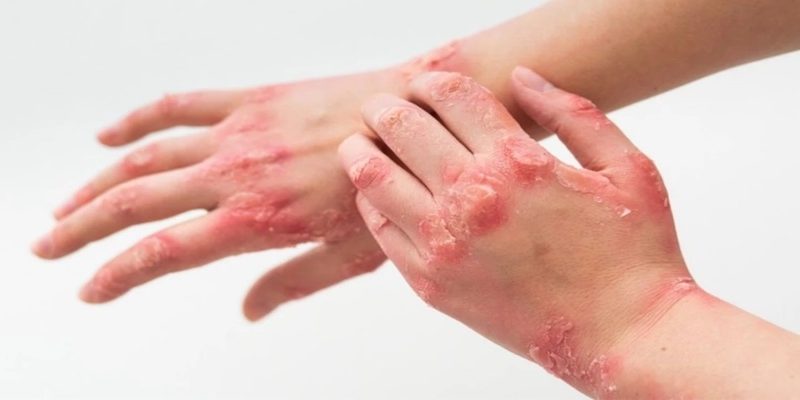
What is Eczema?
Eczema is a skin condition characterized by symptoms such as redness, itching, blisters, dryness, and irritation on the skin. It often follows a chronic course and causes discomfort and a sense of irritation due to inflammation of the skin. Eczema affects the outer layer of the skin and commonly begins in childhood but can also occur in adults.
Symptoms:
Symptoms of eczema can vary from person to person, but commonly include:
– Redness and irritation on the skin
– Itching, sometimes severe
– Dryness and flaking
– Blisters or fluid-filled vesicles on the skin
– Thickening or scaling of the skin
Types:
Eczema has several different types, the most common ones include:
- Atopic Dermatitis: Often referred to as eczema, this type causes the skin to become dry, itchy, and irritated.
- Contact Dermatitis: The skin reacts to a substance it comes into contact with, causing an allergic reaction.
- Seborrheic Dermatitis: Characterized by oily, yellowish scales on the skin, this type often affects the scalp, face, and chest.
- Nummular Dermatitis: Characterized by round or oval lesions, this type often presents with dry, scaly skin appearance.
Treatments:
Treatment for eczema varies depending on the severity and type of symptoms, but may include:
– Using moisturizers and skincare products
– Applying steroid creams or lotions
– Taking antihistamine medications to reduce itching
– Immune modulator drugs may be used to reduce inflammation in the skin
– Avoiding allergens, especially important in contact dermatitis
– UV light therapy (phototherapy) may be used to reduce inflammation in the skin
Precautions:
To manage and reduce the severity of eczema symptoms, you can take the following precautions:
– Keep your skin moisturized and hydrated
– Avoid irritants and use gentle skincare products for sensitive skin
– Apply cold compresses or moisturizing lotions to reduce itching
– Practice relaxation techniques to reduce stress, as stress can exacerbate symptoms
Eczema can have a significant impact on the skin, but with proper treatment and precautions, symptoms can be managed and controlled. If you have severe or long-lasting symptoms, it is important to seek help from a dermatologist.