


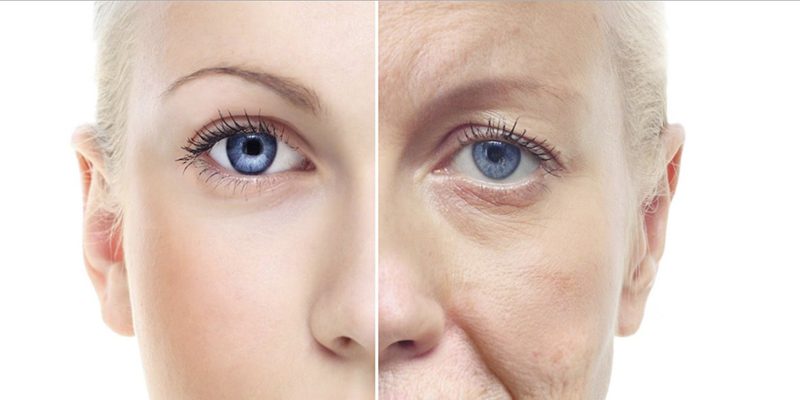
Carbon dioxide fractional laser is a medical device used in the treatment of various dermatological conditions. This laser works by delivering small microscopic beams of light to specific areas of the skin, creating controlled micro-injuries. These injuries initiate the skin’s self-renewal process and promote the formation of new, healthy skin tissue. Some of the conditions treated with carbon dioxide fractional laser include skin aging, fine lines and wrinkles, acne scars, pigmentation issues, and skin tightening.
CO2 laser produces unique results by penetrating the deepest parts of the dermis, the middle layer of the skin, with a wavelength of 10,600 nm, and is today the gold standard method in skin tightening, renewal, rejuvenation and all kinds of scar treatments.
The procedure begins with the application of a topical anesthetic to minimize discomfort. The laser is then applied to the targeted areas of the skin, where it creates tiny columns of thermal injury, leaving the surrounding tissue intact. This fractional approach allows for faster healing and reduces the risk of complications compared to traditional ablative lasers.
Following the treatment, patients may experience redness, swelling, and peeling of the skin, which are normal and typically subside within a few days to a week. Depending on the depth and intensity of the treatment, downtime may vary, ranging from a few days to a couple of weeks. Most patients require multiple sessions spaced several weeks apart to achieve optimal results.
The results of carbon dioxide fractional laser treatment can be significant, with improvements in skin texture, tone, and overall appearance. However, it’s essential to follow post-treatment care instructions provided by the dermatologist or healthcare provider to minimize the risk of complications and maximize the effectiveness of the treatment.
While carbon dioxide fractional laser therapy can deliver impressive results, it’s not suitable for everyone. Individuals with certain skin conditions, such as active infections, autoimmune disorders, or a history of keloid scarring, may not be suitable candidates for this treatment. Additionally, individuals with darker skin tones may be at a higher risk of developing post-inflammatory hyperpigmentation.
Before undergoing carbon dioxide fractional laser treatment, it’s crucial to consult with a qualified dermatologist or healthcare provider to determine if it’s the right option for your specific needs and to discuss potential risks and benefits. Overall, carbon dioxide fractional laser therapy can be an effective and safe option for addressing various skin concerns and achieving smoother, more youthful-looking skin.